
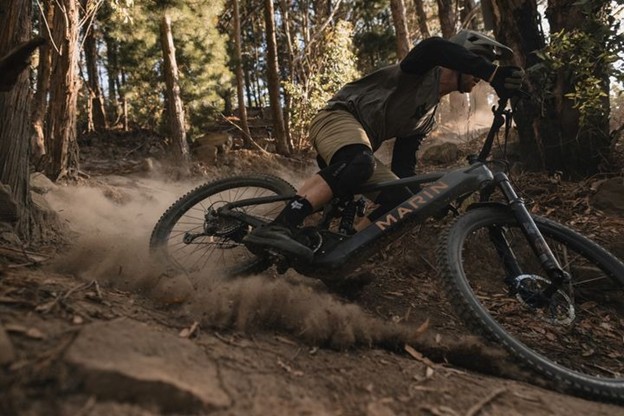
So, you’re thinking about buying your first electric mountain bike (e-MTB). Whether you want to conquer steep climbs, extend your ride distance, keep up with friends or just have more fun on the trails, an e-MTB is always a great choice - they can completely transform your riding experience.
However, it may not be as straight forward as it seems when choosing the right one for you. This new terminology can quickly become confusing with phrases like; watts, kilowatts, battery capacities, torque, mullet wheels - just to name a few.
But, this guide breaks down everything for you, helping you understand each aspect and allowing you to confidently choose the right electric mountain bike for you.
Why Choose an Electric Mountain Bike?
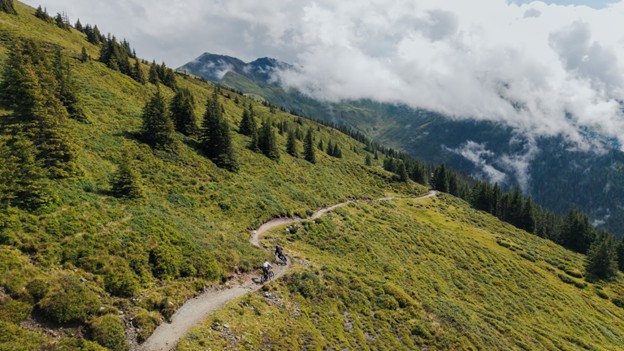
As you likely know, a lot of bike manufacturers have started to explore the world of electric-powered cycles, such as Marin and Cube. Before diving into the technical stuff, let’s talk about why e-MTBs are becoming so popular, and what they actually are.
Firstly, an electric mountain bike isn’t a motorbike - it still requires pedalling (and electric motorbikes are not electric mountain bikes). The motor simply assists your effort, making climbs easier and long rides more manageable, meaning:
-
You can ride further without exhausting yourself
-
Steep hills and long, dull climbs become far less intimidating, laborious and/or mind-numbing
-
You can keep up with faster riders (or other riders on e-bikes)
-
You get more laps of your favourite trails
Understanding Motor Power: Watts & Kilowatts
This is one of the most important things to consider when purchasing an e-MTB, and is always one of the first specs you will see. Usually measured in watts, motor power isn’t as complicated as first thought.
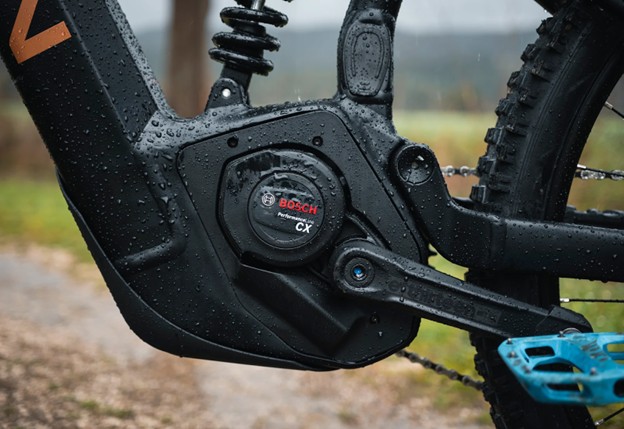
A watt is a unit of power, similar to the quoted horse power of a car. In e-MTB terms, it describes how much assistance the motor can provide. 250 watts is the standard for most electric mountain bikes in the UK - which is the legal limit for continuous motor output on public roads & trails. However, a lot of e-MTBs are advertised as having as much as 1000 watt power, and this is where peak vs continuous power come in:
-
Continuous power (250W): what the motor can sustain over time
-
Peak power: the maximum burst the motor can deliver
-
Most e-MTBs can temporarily exceed 250W during tough climbs or acceleration, even though they’re legally rated at 250W.
But, another key statistic you will see is the torque, and this is measured in Nm - Newton metres. This is a pulling factor in choosing the bike for you, determining how powerful the bike feels, which is especially important on climbs.
-
40–50 Nm: Light assistance (good for casual riders)
-
60–75 Nm: Strong, versatile performance
-
85 Nm+: Maximum climbing power
Battery Size: How Far Can You Go?
One of the next most important factors to consider is the battery size and its capacity. How far you can go - your range, is equally as important as what we have looked at already. Battery capacity is measured in watt-hours (Wh), and it directly affects your range. Battery sizes will vary from bike to bike, so here’s a few examples to break things down:
-
300-500 Wh: Lighter weight, shorter rides
-
600-700 Wh: Good all-rounder
-
750 Wh+: Maximum range for big days out
But what does that actually mean for your real-world range? Well it depends on a number of factors such as; rider weight, terrain, assist level (eco vs turbo), weather conditions, tyre pressure and rolling resistance.
Almost all electric bikes have different modes to alter the amount of assistance; using less assistance means increased range. As a rough guide though, your typical e-MTB with a 750Wh battery, 750w of assistance and 85Nm of torque will get you this kind of range depending on the assistance mode selected.
-
Eco mode: 50–100 km
-
Trail mode: 30–70 km
-
Turbo mode: 20–40 km
The key thing to remember is that bigger batteries and more powerful motors will weigh more than ones with less capacity and power. If you’re planning long adventures, or want to use turbo mode to get to the top as fast as possible, go bigger on the battery. If you prefer lighter bikes and shorter rides, or aren’t too bothered about speed on climbs, a smaller battery may suit you better.
Motor Placement: Mid-Drive vs Hub
Motor placement plays a big role in how an electric mountain bike feels on the trail. While there are two main types, mid-drive and hub motors, most modern e-MTBs use mid-drive motors, and for good reason.
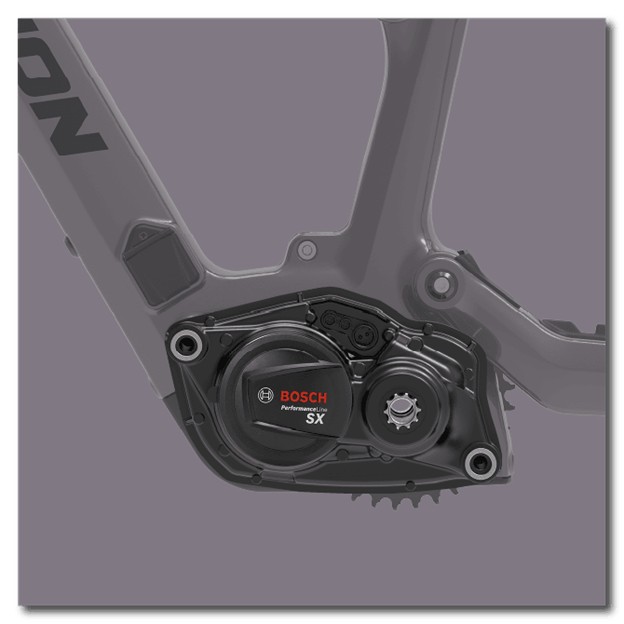
A mid-drive motor sits at the centre of the bike, around the crank. This keeps the weight low and evenly balanced, which improves handling stability and control - especially on climbs and technical terrain. With the motor positioned centrally rather than in one of the wheels, the bike remains well-balanced and responsive. This makes a noticeable difference when cornering, navigating obstacles, or tackling loose terrain where grip and control are essential.
Hub motors, by comparison, place weight in the back wheel itself, which can make the bike feel less stable and harder to manage off-road. While they work well for road and commuter bikes, mid-drive systems are far better suited to the demands of mountain biking.
When it comes to motor performance, mid-drive motors excel in how they deliver power. Because they drive the crank directly, the motor’s output is transferred through the drivetrain in a way that maximises efficiency. This means better use of available power, particularly on steep or uneven ground where consistent torque is key. For trail riding, mid-drive motors are the clear choice.
Wheels, Suspension & Fit: Getting the Feel Right
When it comes to how your e-MTB rides, three things matter most: wheel size, suspension, and geometry. Get these right, and everything just clicks on the trail.
Starting with wheels, you’ll typically see either 27.5” or 29” setups. Smaller 27.5” wheels feel more agile, making them great for tight, twisty trails where quick handling is key. Meanwhile, 29” wheels roll over roots and rocks more easily, giving you better stability and momentum on rough terrain.
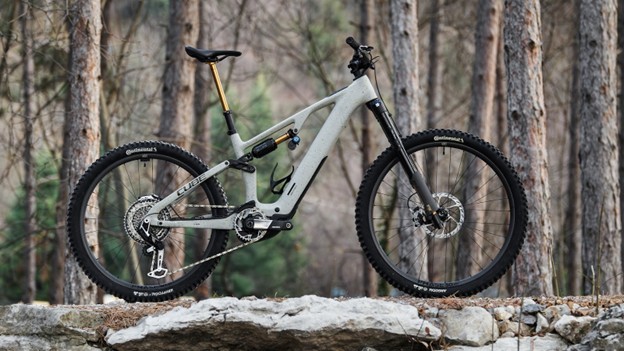
Then there’s the mullet setup, which no, is not a re-appearing 80’s haircut. This setup includes a 29” at the front and a 27.5” at the rear. It equates to the best of both worlds; the big front wheel smooths out obstacles, while the smaller rear wheel keeps the bike nimble and easier to manoeuvre. Business at the front, party at the back, as they say.
Suspension Travel & Geometry
Suspension is the next big decision. A hardtail (front suspension only) is lighter, simpler, and ideal for smoother trails or beginners. But if you’re planning to tackle rocky descents, roots, or more technical terrain, a full suspension bike offers far more comfort, grip, and control.
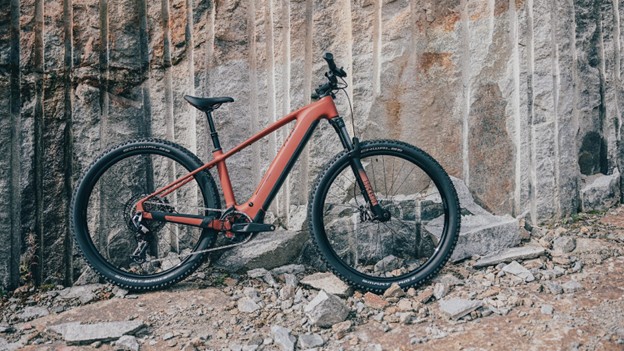
Suspension travel refers to how much movement your suspension has to absorb bumps. Shorter travel (around 120-140mm) is perfect for smoother trails and all-day efficiency, while longer travel (150mm+) is built for rougher, more aggressive riding where control on descents is key.
Frame geometry shapes how the bike handles. Modern e-MTBs tend to feature a longer reach for stability, a slacker head angle for confidence on descents, and a steeper seat angle to keep you efficient on climbs. It might sound technical, but the takeaway is simple: newer geometry helps you feel more balanced and in control, especially as trails get steeper.
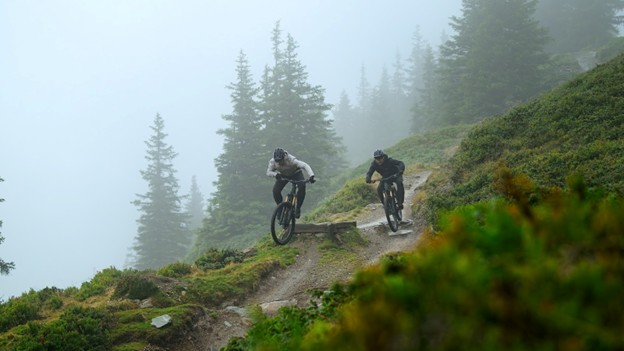
Finally, don’t overlook fit. If you’re between sizes, going smaller gives you a more nimble feel, while sizing up adds stability. Either way, a well-fitted bike will always feel better, inspiring more confidence on every ride.
Weight and Key Features
When it comes to e-MTBs, weight does matter, but probably not as much as you’d expect. Most electric mountain bikes sit somewhere between 20–25 kg, which is noticeably heavier than a standard MTB. Carrying a motor does come at a cost, but that’s what it’s for, it more than makes up for this added weight. But, lighter bikes still have their perks, feeling more natural and closer to regular bikes on the trail. This results in more manoeuvrability through tight sections, and won’t be such a hassle when you’re lifting them onto a rack or into the car.
As for features, there are a few things worth keeping an eye on...
Integrated batteries: These give the bike a sleek, streamlined look while improving balance with a lower centre of gravity. Removable batteries, on the other hand, are super practical for charging and storage - especially if you don’t have easy access to a plug near your bike.
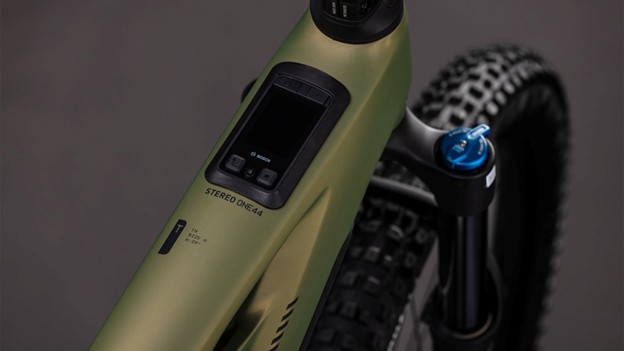
Display units: Essentially your ride companion, showing speed, battery level, and assist mode, and some even sync with apps for tracking your adventures.
Dropper seatpost: If you’re heading onto proper trails, a dropper seatpost is a hugely beneficial and effective feature, letting you quickly lower your saddle on descents for better control.
Budget
Now, ultimately one of the deciding decisions - budget. E-MTBs aren’t exactly cheap, but they carry quality motors, batteries, and components that all come at a cost. Entry-level bikes usually fall in the £2,000–£3,000 range, while £3,000–£5,000 is the sweet spot for most riders, offering a solid balance of performance and value. As a general rule, it’s worth stretching your budget if you can - it often pays off in reliability and overall performance.
If you’re looking at £5,000 and above, you’re firmly in premium territory with top-tier components and ride feel. Past this point, you’re in the land of diminishing returns; you won’t see huge leaps in performance, just fancier materials and components like carbon fibre and electronic drivetrains. While nice to have, they’re not essential for enjoyment.
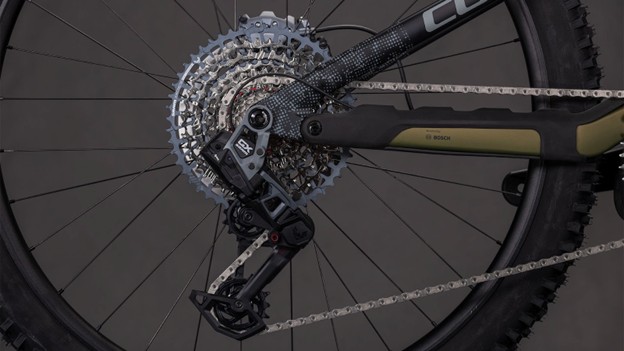
Finally, the best e-MTB for you depends on how you ride. For casual trail riding, something with a 500–625 Wh battery and 60–75 Nm of torque will do the job nicely, especially in a hardtail or short-travel full suspension setup.
If you’re leaning more into trail and all-mountain riding, step up to a 625–750 Wh battery and 75–85 Nm of torque, ideally with full suspension and maybe even a mullet setup. And for enduro or more aggressive riding? Go big - 750 Wh or more, 85 Nm of torque, and a long-travel full suspension frame, paired with either a mullet or full 29” wheel setup to handle the roughest terrain with confidence.
Ready to Ride?
Choosing your first electric mountain bike is a big decision - but it’s also the start of your next journey! You’ll ride further, explore more, and tackle trails you never thought possible. And once you’ve experienced that first effortless climb or flowing descent with motor assistance, you’ll wonder how you ever rode without it.
Now all that’s left to do? Get out there and enjoy the ride.
Looking for the latest bikes, parts and accessories for your rides? Check out our online store with a wide range from top brands.
Live close to Wrexham? Come and visit us in-store to check out what we have on offer, where you can also find our cycle workshop.
Have any queries or seen something you are interested in? Get in touch with our specialist Tweek Cycles customer service and sales teams.