
Spend any time around keen road cyclists - whether that’s in a café stop mid-ride or deep in the rabbit hole of cycling YouTube - and you’ll start hearing numbers being thrown around. Not miles, not how many gears their bike has, or the number of double espressos consumed… but watts.
“I held 280 watts up that climb.”
“My FTP’s gone up again.”
…What?
It can all sound like you’ve entered a cycling parallel universe. And at the centre of it is one piece of kit that’s quietly revolutionised how people train and ride bikes - the power meter. But what actually is a cycling power meter? Why do serious riders swear by them? And is it something you genuinely need, or just another expensive upgrade? Let’s take a proper look.
So, What Is a Power Meter?
In simple terms, a power meter measures how hard you’re pushing the pedals and then converts that effort into watts. That number it chucks out is your power output, and it is a direct reflection of the work you’re inputting on the bike at any given moment. Think of watts as the cyclist equivalent of horse power.
Unlike speed, which changes depending on wind, gradient, and road surface, power is immediate and objective. If you’re putting out 250 watts, you’re putting out 250 watts - whether you’re grinding up a climb or battling into a headwind on the flat.
That’s what makes it so powerful. It strips away the variables and tells you exactly what your legs are doing. But how exactly do they work?
Power meters use strain gauges, which are tiny sensors built into components of your bike to detect how much force you’re applying. We’ll spare you the maths, but combine that with cadence (how fast you’re pedalling), and you get your power output in real time, displayed on your bike computer.
Why Riders Get Hooked on Power
The first time you ride with a power meter, it can feel a bit like information overload. Numbers constantly ticking up and down, averages, maximums, graphs afterwards… It's a lot.
But give it a few rides, and something clicks.
What makes power so addictive is how honest it is. There’s no hiding from it, you’re either on it, or you’re not. A climb that felt “not too bad” might show you were actually deep in the red. A steady ride might turn out to be more inconsistent than you thought. It gives you a level of insight that’s hard to unsee once you’ve had it.
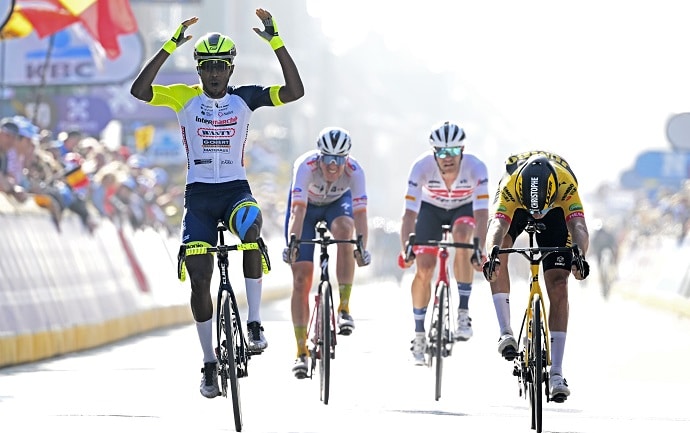
For professional riders, that honesty is essential. Training and racing at the highest level is all about precision - knowing exactly how hard to push, when to push, and when to hold back. Power data allows teams to plan efforts down to the watt, whether that’s pacing a time trial or controlling a breakaway.
But it’s not just the pros who benefit. That same clarity is incredibly useful for everyday riders who want to improve.
Training Smarter, Not Just Harder
One of the biggest advantages of a power meter is how it transforms training, even for novice or amateur riders. Instead of riding purely on feel or heart rate, you can structure sessions around specific power targets.
This is where concepts like Functional Threshold Power (FTP) come in. Your FTP is essentially the highest power you can sustain for about an hour, and it becomes the anchor for all your training zones. Once you know that number, everything becomes more targeted. Endurance rides stay genuinely easy, intervals hit the right intensity, hard days are hard, easy days are easy - and that balance is where real progress happens.
Without power, it’s easy to drift into the “grey zone,” where every ride is moderately hard, but not quite hard enough to drive improvement, and not easy enough to allow recovery. You can end up in no man's land, seeing no improvement. With power, you can avoid that trap.
Pacing: The Secret Weapon
If there’s one area where power meters really shine, it’s pacing. Think about a long climb or a sportive. We’re all guilty of going out too hard, it’s easily done, especially when you’re feeling fresh or riding with others - only to pay for it later. A power meter acts like a governor, your boss, keeping you honest.
Instead of chasing speed or trying to match someone else’s effort, you ride to your own numbers. When you hold a steady wattage that you know you can sustain, you’ll often end up riding faster overall, simply because you’ve avoided blowing up halfway through.
It’s the same story in time trials, where pacing is everything. Riders don’t just aim to go “as hard as possible” - they aim to go as hard as possible evenly. Power meters make that possible.
What Kind of Data Are We Talking About?
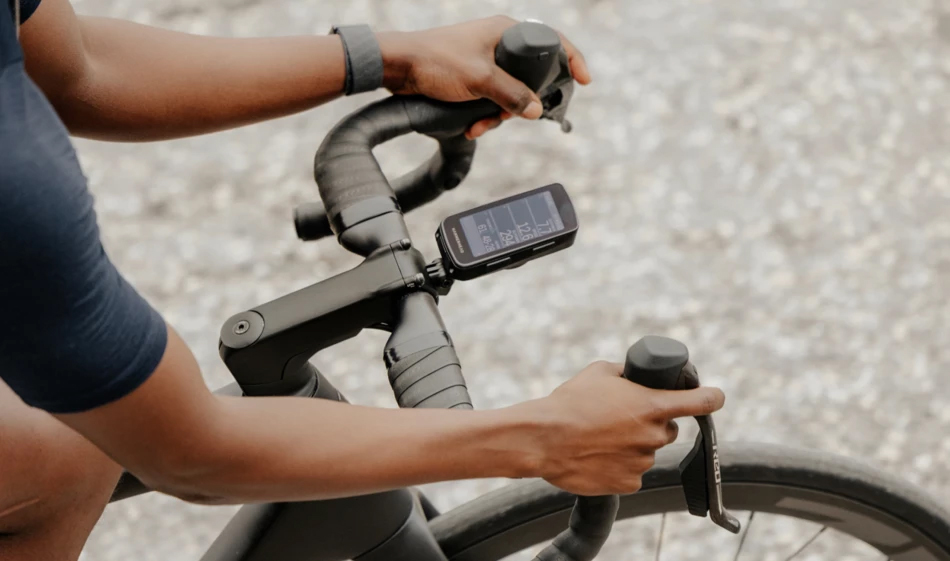
At its simplest, a power meter shows your current wattage, but that’s just the start. Hooked up to a GPS cycle computer, you can have your current power, average power and cadence right before your eyes.
After a ride, you can dig into even more data, track improvements over time, and see how consistent your effort was. Metrics like Normalised Power give you a better sense of how taxing a ride really was, especially if it included lots of surges.
Then there’s your power-to-weight ratio - watts per kilogram - which is particularly relevant for climbing. It’s why lighter riders with strong power outputs can fly uphill. Some systems even measure how evenly you’re pedalling between your left and right legs, which can highlight imbalances you might not otherwise notice.
For riders who enjoy analysing their performance, it opens up a whole new layer of understanding. For others, it can be as simple as keeping an eye on a single number during a ride.
Different Types of Power Meters
So, now we know what a power meter does, and what they are, but how can I fit one to my bike?
In short, power meters are replacement components for your bike; you take a part off and replace it with something that can measure your power. Not all power meters are built the same, and where they sit on the bike plays a big role in how they perform - and how much they cost.
Pedal-Based Systems
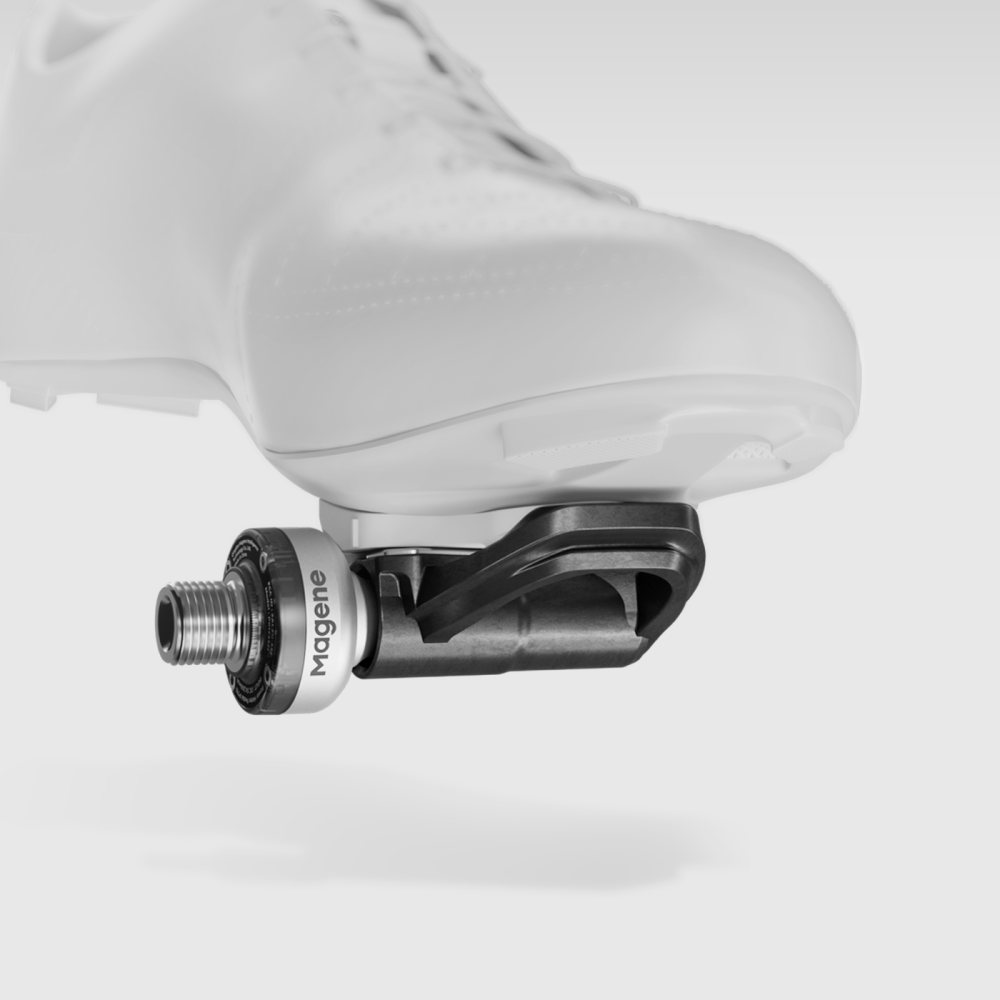
These are perhaps the most straightforward. The sensors are built into the pedals themselves, measuring force exactly where it’s applied. They’re easy to install and, importantly, easy to swap between bikes, making them a great option if you ride more than one setup. Many also offer dual-sided measurement, giving you detailed insight into each leg’s contribution.
Crank Arm Systems
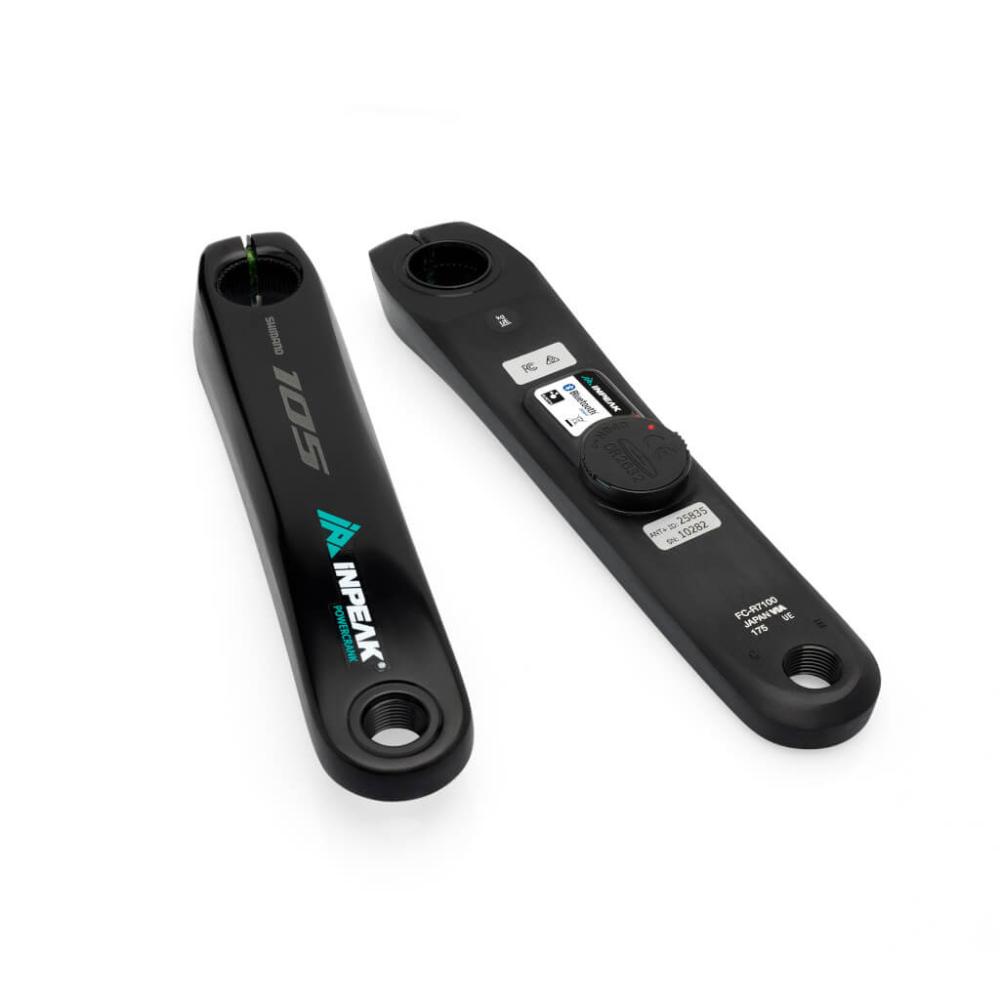
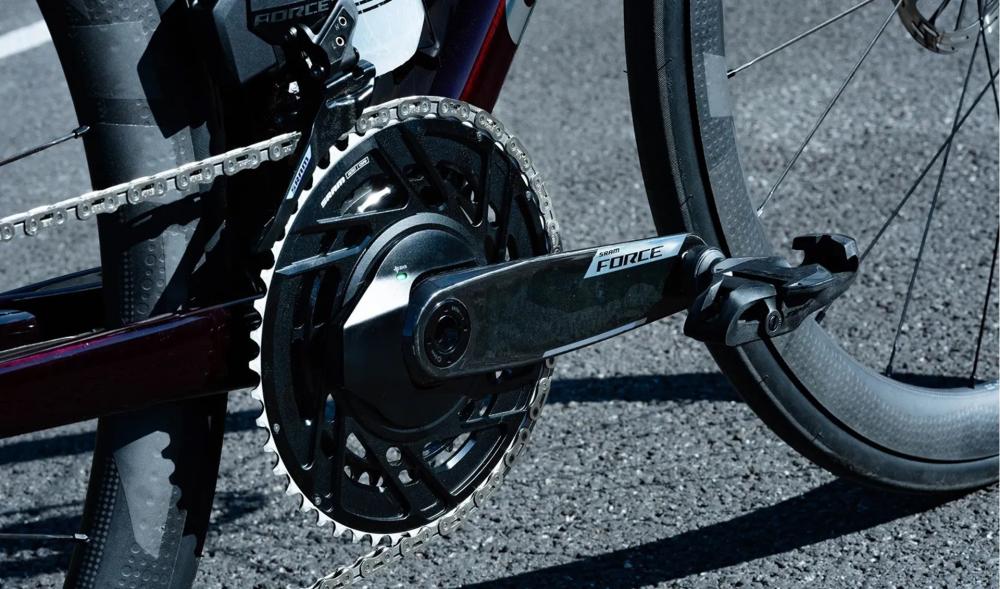
Crank arm power meters tend to be the most accessible entry point. These are mounted on the crank arm, often just on one side, and measure the force going through it. Because many are single-sided, they estimate total power by doubling the reading from one leg. They’re generally more affordable, though slightly less detailed in the data they provide.
Spider-Based Systems
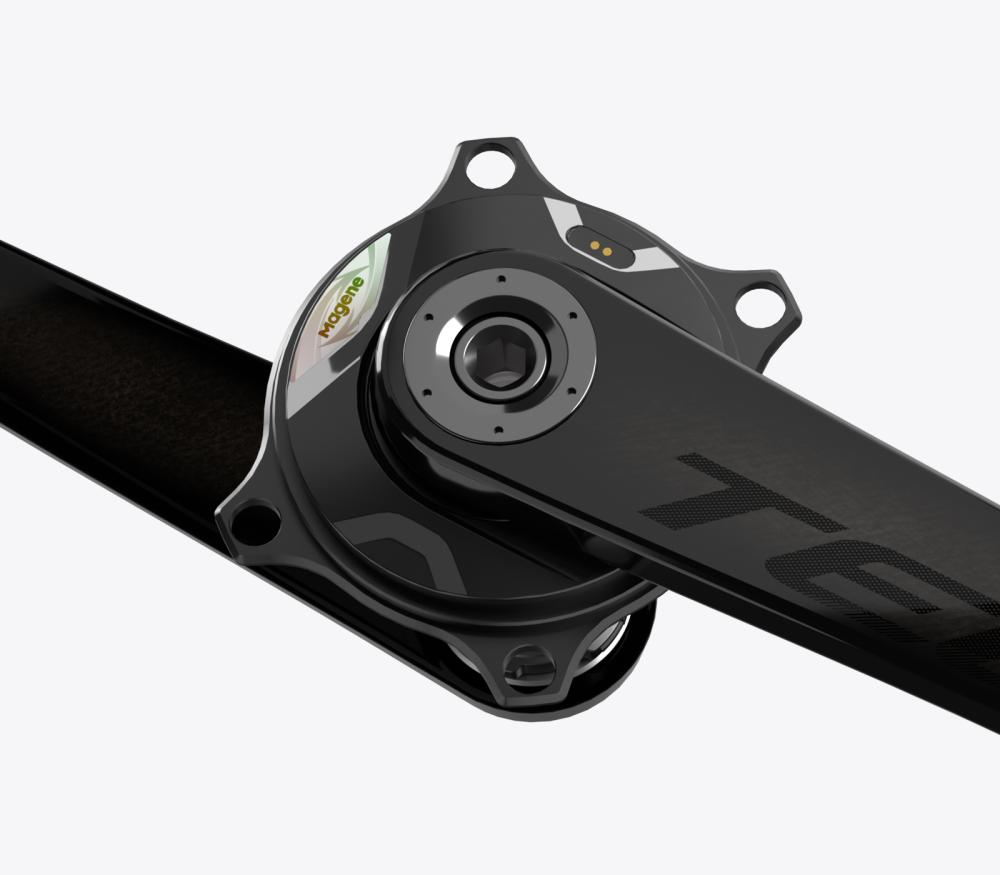
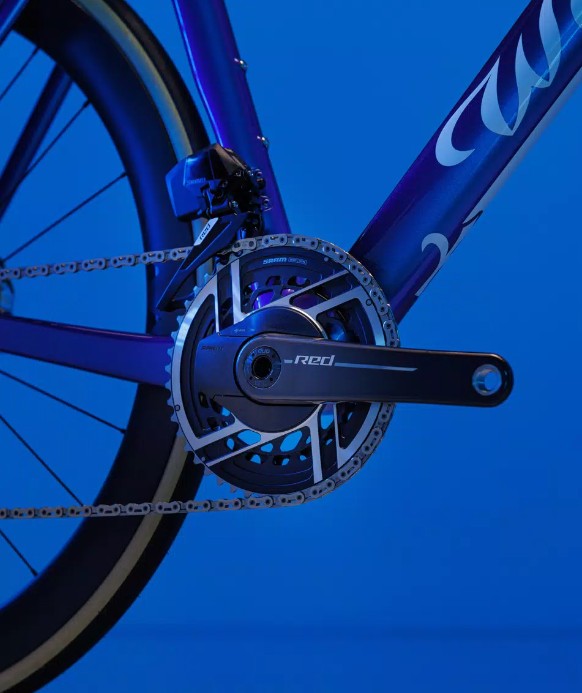
Then there are spider-based systems, which sit at the centre of the chainset, measuring the combined output from both legs. These are often seen as the gold standard for accuracy and consistency. They’re well protected from the elements and deliver highly reliable data, though they can be pricier and a bit more involved to install.
Each type does the same fundamental job - measuring your power - but the differences come down to detail, flexibility, and budget.
What About Cost?
There’s no getting around it: power meters are an investment. Entry-level options, typically single-sided crank arm or pedal systems, usually start somewhere in the £300 to £500 range. These give you a solid introduction to power-based training without a huge outlay.
Move into dual-sided systems - whether pedals, spider or crank-based - and you’re generally looking at £600 to £800. These provide more detailed data and greater accuracy. Although, thanks to brands like Magene and InPeak, they are becoming ever more accessible as the brands push to lower the price of entry.
It’s a wide range, and the “right” choice depends on how you ride. If you’ve got multiple bikes, the flexibility of pedal systems might justify the cost. If you’re just getting started, a simpler crank arm setup might be all you need.
So… Do You Actually Need One?
This is where things get interesting. If you ride purely for enjoyment, fitness, or the social side of cycling - a power meter probably isn’t essential. You can have a fantastic time on the bike and get fitter, without ever looking at a wattage number.
But if you’re someone who likes structure, enjoys tracking progress, or has specific goals - whether that’s a big event, a race, or simply getting stronger, then a power meter can make a noticeable difference.
It doesn’t just tell you how hard you’re working; it helps you work smarter. It gives you feedback, direction, and a clear way to measure improvement.
That said, it’s not a magic upgrade. A power meter won’t make you faster on its own; it's how you use the data that counts. Pair it with a training plan - or at least a bit of consistency and intent, and that’s when it really comes into its own. It cuts through guesswork and gives you a direct line to what your body is doing on the bike.
For some riders, that level of detail is unnecessary. For others, it’s transformative.
Whether you’re chasing marginal gains, preparing for a big event, or simply curious about what you’re capable of, a power meter offers a new perspective on your riding - one measured in watts, yes, but ultimately in progress.
And once you start paying attention to those numbers, there’s a good chance you won’t want to ride without them.
Looking for the latest bikes, parts and accessories for your rides? Check out our online store with a wide range from top brands.
Live close to Wrexham? Come and visit us in-store to check out what we have on offer, where you can also find our cycle workshop.
Have any queries or seen something you are interested in? Get in touch with our specialist Tweek Cycles customer service and sales teams.